
Acupuncture for Hormone Health: What the Research Actually Says
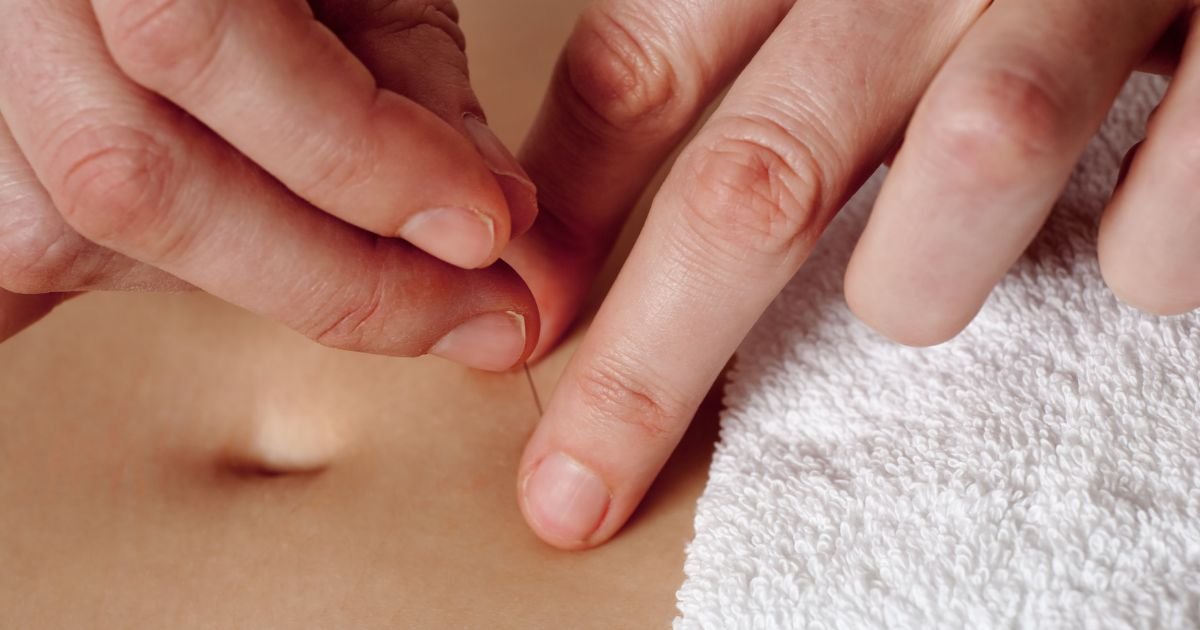
Hormones are one of those things that tend to fly under the radar until something goes wrong, like a cycle that becomes unpredictable, sleep that deteriorates for no obvious reason, or mood swings that don't quite make sense. But also, weight changes, energy crashes, and skin that starts behaving differently. These things often get dismissed (or managed with a quick fix that creates another problem) when what's actually happening is a hormonal system that has gone out of balance.
It's something I see a lot in the studio. People who have been told everything looks normal on paper, but who don't feel normal. Or people managing a specific diagnosis (PCOS, perimenopause, endometriosis, hypothyroidism, etc.) and looking for something that works with their body rather than simply overriding it.
Acupuncture won't fix everything, and I'll always be honest about that. But for hormonal health specifically, the evidence base is more interesting than most people expect, and the TCM framework brings a different perspective on what's happening (one that can work alongside whatever else you're doing).
Why hormones are complicated
The hormonal system is not a set of independent switches. It's like a conversation between the hypothalamus, the pituitary gland, the ovaries, the adrenal glands, the thyroid, and the gut. When one part of that conversation goes off-track, the effects ripple in ways that aren't always easy to trace back to a single cause.
Stress is one of the biggest disruptors: when cortisol (the body's primary stress hormone) is chronically elevated, it competes with the other hormones that depend on the same biochemical pathways. Oestrogen, progesterone, LH, FSH: all of these can be affected when the body is in a sustained stress response.
Poor sleep adds to it. So does under-eating, over-exercising, inflammation, and the accumulated weight of a life that doesn't leave much room for recovery.
In TCM, the organs most closely associated with hormonal and reproductive health are the Kidneys, Liver, Spleen, and Heart. When these systems are in balance (when Qi and Blood are moving freely, when Yin and Yang are regulated), the hormonal picture tends to be more stable. When they're not, the issues that follow are read as important information about what's actually out of balance.
What acupuncture may support
Menstrual health and cycle regulation
Irregular cycles, painful periods, and PMS are among the most common reasons people come into the studio — and among the areas where acupuncture has the most research behind it.
Research suggests acupuncture may influence the hormonal feedback loop that regulates the menstrual cycle, with measurable effects on oestrogen, progesterone, LH (Luteinizing hormone), and FSH (follicle-stimulating hormone). It may also improve blood flow to the uterus and support the body's natural pain regulation system, which is part of why it can be useful for period pain specifically.
A literature review of 23 studies found that acupuncture showed measurable effects on key female sex hormones, though the results varied depending on the condition being treated.
In practice, this is part of why two people with similar issues might need quite different approaches. The aim is always to understand the underlying pattern, not just the symptom.
PCOS
Polycystic ovary syndrome is one of the most researched areas in acupuncture and women's health. It's also one of the most varied conditions, meaning what it looks like and what drives it can differ enormously from person to person.
The research is promising, even if it isn't yet definitive. Studies suggest acupuncture may help regulate hormone levels, support ovulation, and reduce insulin resistance in people with PCOS. A 2025 meta-analysis of 43 randomised controlled trials found that acupuncture significantly increased ovulation rates compared with both sham acupuncture and standard medication.
That said, PCOS is a long-term condition that needs a long-term approach. Acupuncture works best here as part of a consistent process, ideally alongside appropriate medical care, not as a standalone fix.
Perimenopause and menopause
The transition through perimenopause and into menopause (which can begin years before periods actually stop) brings a range of symptoms that can significantly affect daily life: hot flushes, night sweats, disrupted sleep, mood changes, brain fog, and shifts in energy that don't always have an obvious explanation.
HRT remains the most effective option for many people, and I'd always encourage an open conversation with your GP about it. But for those who can't take it, prefer not to, or want something to work alongside it, acupuncture has a meaningful evidence base.
A meta-analysis of 12 studies found that acupuncture significantly reduced both the frequency and severity of hot flushes and improved quality of life during the menopause transition. A 2022 systematic review found effects on oestradiol, FSH, and LH levels that paralleled those of hormone therapy, though with a different safety profile.
In TCM, this transition is understood as a gradual depletion of Kidney Yin — the cooling, grounding aspect of the body that naturally decreases with age. Treatment focuses on supporting that shift rather than simply managing individual symptoms as they arise.
The stress and cortisol connection
This one runs through almost everything else on this list.
Chronic stress is one of the most underestimated drivers of hormonal disruption. The stress hormone cortisol and the reproductive hormones share the same building blocks, so when the body is under sustained pressure, the hormones that regulate the cycle, sleep, mood, and fertility can all be affected. Irregular cycles, worsened PMS, disrupted sleep, skin changes: these are often not separate problems but different expressions of the same underlying load.
Acupuncture has been shown to support the nervous system and help reduce cortisol levels. This is probably the most important mechanism through which it supports hormonal health, because it works upstream of so many of the symptoms people come in with.
What to expect
Hormonal health doesn't change overnight, and I'll always be straightforward about that. A course of treatment over several months is typically more useful than a couple of sessions, and the most useful results tend to come when acupuncture is part of a wider approach that includes sleep, movement, and nutrition.
Every session starts with a TCM (Traditional Chinese Medicine) assessment, including pulse, tongue, and a proper conversation about what's changed. The treatment is built around what's actually happening for you, not a standard protocol applied to everyone.
If you've been struggling with something in this area (whether you have a clear diagnosis or just know something feels off), a consultation is the right starting point. It's a chance to talk through what's happening, what TCM makes of it, and whether acupuncture is likely to be useful for you.
Frequently asked questions about acupuncture for hormone health
-
It may be able to support hormonal regulation, particularly through its effects on the nervous system, cortisol, and the hypothalamic-pituitary-ovarian axis. Research suggests measurable effects on oestrogen, progesterone, FSH, and LH. The evidence is growing, though it is not yet conclusive for every condition.
-
There is a meaningful body of research suggesting acupuncture may support cycle regulation, reduce androgen levels, and improve ovulation rates in people with PCOS. It works best as part of a longer-term approach, ideally alongside appropriate medical care.
-
Several meta-analyses have found that acupuncture can reduce the frequency and severity of hot flushes and improve quality of life during the menopause transition. It is not a replacement for HRT but can be a useful support, particularly for those who cannot take or prefer not to take hormonal medication.
-
Research suggests acupuncture can help regulate the HPA axis (the body's stress response system) and reduce baseline cortisol. Because cortisol directly affects the reproductive hormones, this is one of the key ways acupuncture may support hormonal health.
-
There is good research support here. A systematic review and meta-analysis found that acupuncture and moxibustion were associated with a meaningful reduction in menstrual pain intensity, with a moderate level of certainty in the evidence.
That said, painful periods always deserve proper attention. Conditions like endometriosis, fibroids, and adenomyosis can cause significant period pain and require a proper assessment and diagnosis — acupuncture is not a substitute for that. If you have not yet spoken to your GP about your symptoms, that is always the right starting point. Where a diagnosis is already in place, acupuncture can be a useful part of managing symptoms alongside appropriate medical care.
In TCM, painful periods are understood as a pattern of blocked or stagnant flow, and treatment focuses on addressing that underlying pattern which can offer support with pain management.
-
PMS covers a wide range of symptoms (mood changes, bloating, breast tenderness, fatigue, headaches, and sleep disruption) that often have a hormonal and nervous system component. A Cochrane review found that acupuncture may reduce both mood-related and physical PMS symptoms compared to sham acupuncture, though the quality of evidence was low and more research is needed. A 2019 meta-analysis also found that acupuncture significantly increased the effectiveness rate for PMS compared with medication and sham acupuncture. Results vary depending on the pattern and the individual, and a proper assessment is the starting point for understanding what is likely to help.
-
PMDD (premenstrual dysphoric disorder) is a more severe form of PMS with a significant impact on mood, anxiety, and daily functioning in the days before a period. It is a recognised condition that can benefit from medical support, and that should always be the first conversation. A systematic review covering both PMS and PMDD found that acupuncture interventions showed significantly improved results for PMDD symptoms, though the evidence base remains limited. Where someone is already receiving care for PMDD, acupuncture may offer additional support — particularly around nervous system regulation, sleep, and the hormonal fluctuations that can drive the symptom cycle.
-
Endometriosis requires proper medical management, and acupuncture is not a treatment for the condition itself. What it may support is the symptom picture — particularly pain, fatigue, and the stress and nervous system load that often comes with managing a chronic condition. A 2023 systematic review and meta-analysis found that acupuncture demonstrated clinically relevant improvements in pelvic pain in people with endometriosis, though the certainty of evidence was low and more research is needed. If you have not yet received a diagnosis but are experiencing severe period pain, please speak to your GP first.
-
Amanda Nordell Acupuncture is based in Windy Arbour, Dublin 14. You can book your session directly on this website.