What Is Cupping Therapy? The Ancient Technique with Modern Benefits
Cupping is one of those treatments that people are curious about long before they try it. They've seen the circular marks on athletes, wondered what they mean, and maybe filed the whole thing away under “interesting but not sure it's for me”.
If you're based in Dublin and looking into cupping therapy (whether for muscle tension, stress, or general recovery), here's the straightforward version of what it involves, what to expect, and who it tends to suit better.
What is cupping therapy?
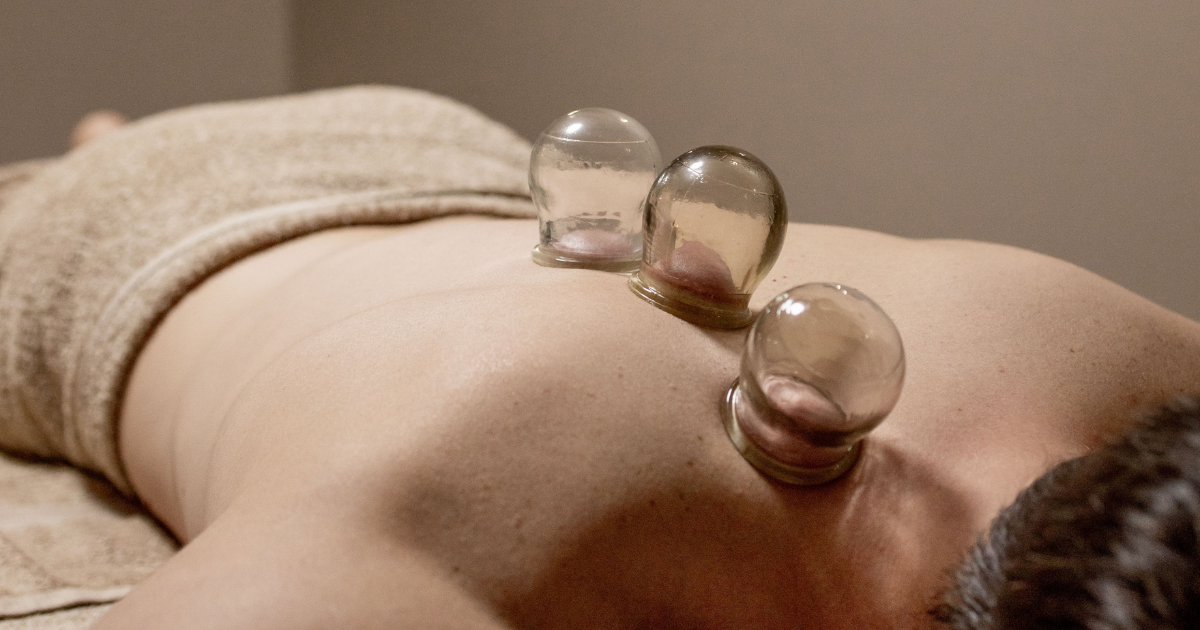
Cupping therapy is a manual technique where cups are placed on the skin to create gentle suction. That suction lifts the tissue slightly, encouraging movement in areas that feel tight, congested, or stuck.
In Traditional Chinese Medicine, cupping is used to support the flow of Qi and blood — concepts that broadly relate to circulation, nourishment, and movement within the body. When these processes slow down, discomfort and tension tend to follow.
From a physiological perspective, the suction draws blood and fluid toward the skin's surface. It doesn't force anything out of the body. What it does is create space and movement in tissue that has become compressed, which is why many people feel noticeably lighter or more mobile afterwards, sometimes quite quickly.
In my Dublin studio, cupping therapy is always part of a full TCM treatment rather than a standalone session. I use it when it makes sense for the person in front of me, based on a proper assessment — not as a default, and not because it's having a moment, but because it has a clear purpose when it's used appropriately.
What can cupping therapy support?
People come to cupping for a range of reasons. In practice, it's most commonly used to support:
Muscle tightness and areas that feel heavy or stuck
Neck, shoulder, and back tension
Headaches related to tension
Recovery after physical exertion or prolonged stress
Long-standing holding patterns that haven't shifted with other approaches
General circulation and ease of movement
It's rarely used in isolation. Cupping tends to work best as part of a broader treatment — alongside acupuncture, manual work, or other TCM techniques, depending on what the person needs.
What does a cupping treatment actually feel like?
Different from massage, that's the most honest answer.
Most people describe a strong pulling sensation, followed by warmth and a gradual sense of release in the area. Cups can be left static for a short time or moved gently along the skin (moving cupping) — the approach depends entirely on where we're working and what feels right for that person.
It shouldn't be painful. Treatments are always adjusted to what feels comfortable, and I ask for feedback during the session. If something doesn't feel right, we change it.
What are the cupping marks — and are they bruises?
This is the question I get most often about cupping therapy, and the marks are genuinely misunderstood, so it's worth being clear.
Cupping marks are not bruises. Bruising happens when tissue is damaged and blood leaks from broken vessels. What happens with cupping is different: increased circulation in the area brings blood closer to the surface in response to suction. The colour and intensity vary from person to person, and from session to session, depending on the state of the tissue being treated. Darker marks often reflect areas where circulation has been more restricted.
They typically fade within a few days to a week and aren't painful.
Cupping therapy for stress and tension
A lot of people carry stress in their body without fully realising how much. The shoulders, upper back, jaw, and lower back are common places where tension builds quietly over months, tightening gradually until it starts to feel normal.
Cupping therapy can help these areas soften by encouraging circulation and reducing the compression that builds when muscles stay contracted for long periods. Many people find it particularly effective for tension that hasn't responded well to other approaches — not because it's dramatic, but because it addresses the tissue directly rather than working around it.
People often describe feeling lighter or more mobile afterwards, and that's not a coincidence.
Facial cupping: a gentler version of the technique
Cupping isn't only for the body. When adapted for the face, it uses small silicone cups and very light suction — a much gentler version of the technique, focused on encouraging circulation and lymphatic movement in areas that tend to become slow or congested over time.
The jaw, cheeks, and neck are common areas where tension, habitual expression, and stress accumulate. Facial cupping can support circulation in these areas as part of a broader treatment, always alongside other techniques like facial acupuncture, manual massage, gua sha, or lymphatic work. Each element supports the others, and the skin tends to look clearer and feel more comfortable when the underlying circulation and muscle tone are being properly addressed.
It may be included as part of Synergy Facial Acupuncture or other tailored facial sessions, depending on what your skin and body need on the day.
Is cupping therapy suitable for everyone?
Not always — and it's important to know that.
Cupping therapy may not be appropriate if you have certain skin conditions, bleeding disorders, or are taking specific medications. That's exactly why a full health intake is carried out before any treatment begins. If cupping isn't the right fit, there are usually other techniques that can support the same areas just as effectively.
Cupping therapy in Dublin: what to expect
If you're considering cupping therapy in Dublin (whether for tension, recovery, or general wellbeing), you're welcome to get in touch or book a session. Treatments always start with a conversation to understand what will actually be useful for you, and there's no pressure to commit to anything before you're ready.
You can book through the website or contact me directly if you'd prefer to talk things through first.
Frequently asked questions about cupping therapy
-
Cupping therapy uses gentle suction to encourage circulation in the tissue beneath the skin. It can help areas that feel tight or overloaded soften and move more freely. In TCM terms, it supports the flow of Qi and blood. In practical terms, most people notice reduced tension and a greater sense of ease in the treated area — often lasting well beyond the session itself.
-
Cupping can leave temporary marks on the skin, which may last a few days. Some people feel mild tenderness in the treated area afterwards. It may not be suitable if you have certain skin conditions, bleeding disorders, or are taking specific medications, which is why a full health intake is always done beforehand. If there's any uncertainty, we discuss it before treatment begins.
-
Cupping is generally safe. You can carry on as normal after a session, it is good to drink plenty of water though to flush out any toxins and help renew the circulation.
-
Darker cupping marks usually reflect greater congestion or reduced circulation in that area at the time of treatment (in Chinese Medicine, we call this “stagnation”). They're not a sign of damage, and they're not something to be concerned about. The colour tends to fade more quickly with repeated sessions as circulation in the area gradually improves.
-
Yes — cupping therapy is available at Amanda Nordell Acupuncture, a Traditional Chinese Medicine studio in Windy Arbour, Dublin 14. Cupping is offered as part of TCM treatment sessions, always following a full health assessment